
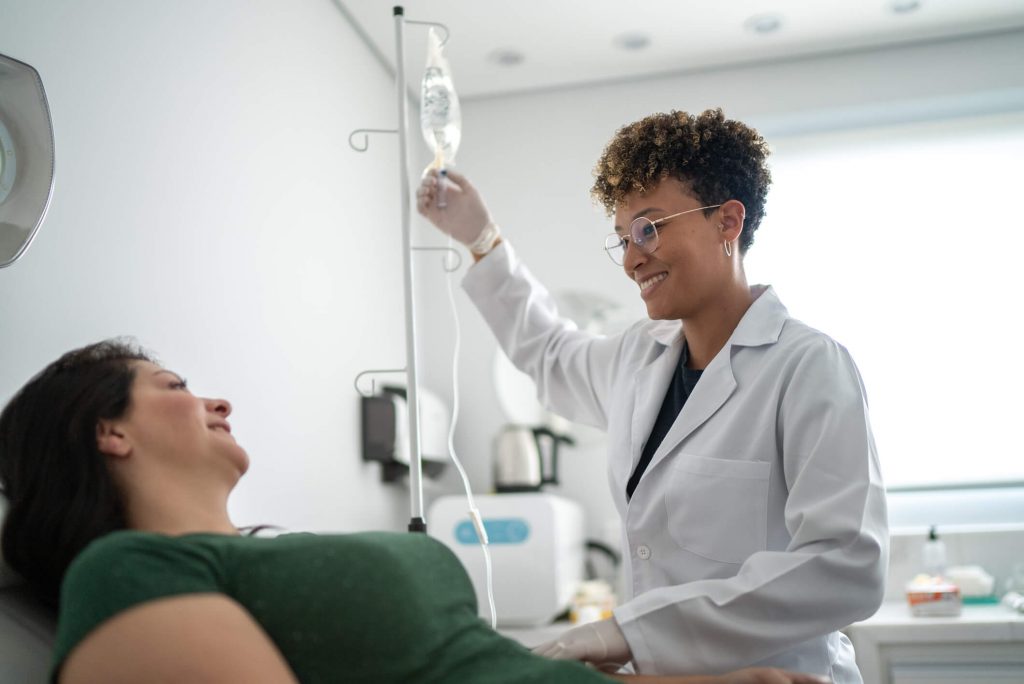
Nurses in the field of psychedelic-assisted therapies (and cannabis nursing, for that matter) are seeing an exponential increase in career opportunities. These new roles offer fascinating alternative avenues to professional fulfillment, and now that the word is out, let鈥檚 explore the new world of psychedelic-assisted therapies.听
What is Psychedelic-Assisted Psychotherapy (PAP)?
First, some context: research into the effectiveness of psychedelic substances was rigorous until the mid-1970s. However, the pushed the FDA into a more active role in regulating drug safety. Additionally, the of 1970 (aka the Controlled Substances Act) also impacted researchers鈥� ability to explore the therapeutic possibilities when psychedelic substances were classified as highly restricted Schedule I drugs.
MDMA (also known as molly or ecstasy), psilocybin (the active ingredient in 鈥渕agic mushrooms鈥�), and ketamine are three substances that have, in recent years, undergone widely recognized research demonstrating significant therapeutic value.
Studies continue to examine MDMA-assisted therapy for PTSD closely, and psilocybin is being assessed for use in healing conditions including, but not limited to:
- Depression
- Anxiety
- Alcohol use disorder
- Eating disorders
Psychedelic-assisted psychotherapy makes use of traditional talk therapy combined with guided experiences using entheogenic substances. These therapeutic 鈥渏ourneys鈥� can last up to 8 hours and involve two professionally trained facilitators.
Having a 2:1 staff-to-patient ratio over an 8-hour period may appear outrageously costly; however, studies show that only a handful of sessions 鈥� and at times only one session 鈥� can accomplish the healing from conditions that traditional talk therapy may only achieve after several years, often combined with years of psychotropic medications with long lists of potential side effects and a lackluster.
While these substances have the potential to cause some time-limited side effects such as nausea and mild headache during treatment, the more problematic side effects are associated with long-term daily illicit use.
The research is in
The on the successful treatment of mood disorders and PTSD through PAP are now regarded as a given in most scientific circles. In 2017, the FDA granted MDMA for the treatment of PTSD. This designation provided an expedited route to phase three clinical trials based on the fact that available treatments were inadequate and posed a significant burden of illness for patients who don鈥檛 have five years to wait for drugs to come to market. Psilocybin has received similar designation.
In May of 2021, published an article by Penn, Dorsen, Hope, and Rosa, four highly respected advanced practice registered nurses (APRNs). In that article, the authors shared:
鈥�The knowledge, skills, and values nurses bring to patient care are central to the therapeutic use of psychedelic-assisted psychotherapy鈥he competencies needed to sit with a patient as a psychedelic therapist include the skills long associated with nursing鈥檚 humanistic, biopsychosocial approach to care, specifically, 鈥榚mpathetic abiding presence, trust enhancement, spiritual intelligence, knowledge of the physical and psychological effects of psychedelics, therapist self-awareness and ethical integrity, and proficiency in complementary techniques鈥欌�hese competencies align with a holistic philosophy of nursing and an integrative, whole person framework that prioritizes values such as a caring presence and spiritual healing.
鈥淭he growing field of psychedelic therapy will greatly benefit from nursing participation in the interdisciplinary effort to develop safe, effective clinical approaches to psychedelic-assisted therapies鈥urses can help create new solutions for the issues facing patients today. Psychedelic-assisted therapies offer great potential to alleviate suffering and cultivate healing, growth, and peace amid illness, and nurses are well prepared to contribute.鈥�
Andrew Penn, RN, NP, CNS, PMHNP-BC, Associate Professor of Nursing at UCSF, psychedelics researcher, and lead author of the aforementioned AJN article, stated via an interview that 鈥�FDA approval for MDMA may come as early as the end of 2023 or beginning of 2024鈥nd the Phase 3 MDMA study is running its last subjects now.鈥�听
Regarding who will be able to administer these medications, Penn shares,
鈥�It鈥檚 not clear if the FDA will stipulate who can deliver it 鈥� there鈥檚 speculation that the FDA may punt that to MAPS [the non-profit Multidisciplinary Association for Psychedelic Studies] who are the manufacturer of the drug. MAPS is interested in getting as many professionals as possible being able to do this work.鈥�
The Future of Nursing Care is Now
The legalization of recreational and/or medical marijuana in many states has paved the way for to create a legitimate clinical presence, including setting standards and the scope of practice. This thriving movement has woken the entrepreneurial spirit in many nurses; now nurses across the country have created businesses to support patients in the safe use of medical marijuana for the treatment of myriad conditions. It has further created numerous in the cannabis field.
and the aforementioned cannabis nurse jobs are already available for those seeking opportunities. And casual searches can already reveal in the psychedelic therapy field.
The (OPENurses) 鈥� of which Mr. Penn is a founder) and (IAPN) have both contributed to the coalescing of the psychedelic nurse movement. With a focus on networking, research, advocacy, education, and establishing codes of ethics and best practices, these organizations are trailblazers. The (PMA) addresses physicians鈥� growing interest in psychedelic therapies.
The continued expansion and increased legitimacy of psychedelic therapies are inevitable. With positive FDA attention and support of clinical trials, and more nurses, physicians, and other professionals gaining interest, career opportunities for nurses will undoubtedly flourish.
鈥�The field of psychedelics in nursing is fairly wide open right now,” Penn States. “In the academic space, there鈥檚 certainly room to articulate the nursing perspective on psychedelic therapies. I think the palliative space is also wide open for nurses to articulate their role.鈥�
Penn continues, 鈥淚 would love it if nurses would pivot off I published with [renown nurse theorist] Jean Watson using her theoretical construct to truly flesh out what care looks like in psychedelic nursing.鈥澨�
As stated by Penn, Watson, and their co-authors in that article:
鈥淣ursing care supports the natural orientation of the human body and mind toward wholeness. The role of the psychedelic therapist is not unlike that of the nurse midwife or the hospice nurse鈥攖hey permit a natural process and support the natural process of healing to occur (Taylor, 1995). Instead of tending to the unfolding birth or death process, in psychedelic-assisted therapy, the nurse-therapist is a focused attendant to the emotional鈥搒piritual鈥損sychological healing of the patient, occasionally exerting gentle corrective action when impediments occur, but largely permitting natural emergence of a native process: our drive toward wholeness.鈥�
Bottom line
The time for nurses to embrace psychedelic therapies as a valid career path is upon us. Nurses are already finding employment in this area, and the momentum will only increase.
If your interest is piqued by this fascinating new nursing field steeped in the promise of healing for patients and career satisfaction for nurses, the time has come to investigate further. And in terms of nurses鈥� ability to ride the wave of the emerging field of psychedelic therapies, the future is now.
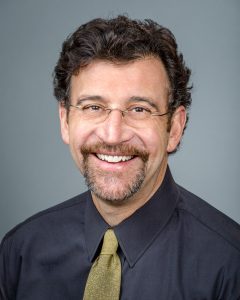 Keith Carlson, BSN, RN, NC-BC, is a nurse,听, writer, podcaster, and keynote speaker. Keith has conducted more than 2,000 coaching sessions with nurses from all walks of life, and his podcast,听, reaches nurses throughout the world with fascinating interviews and messages of inspiration and career strategy. He lives and works in beautiful Santa Fe, New Mexico.
Some links in this article were updated in October 2024.